
Pregnancy Food Safety List: What Young Moms Should Avoid at Home, School, and Work

Pregnancy changes how the body processes certain foods, and some items that are ordinarily safe become a source of risk during pregnancy because of shifts in immune function that affect how bacteria and toxins are handled. FDA and ACOG guidance identifies specific food and drink categories that pregnant women are advised to avoid or limit […]
When Should You Announce Your Pregnancy? The 12-Week Rule for First-Time and Teen Moms

There is no medical rule that requires you to wait 12 weeks before announcing a pregnancy. The 12-week guideline is a personal and cultural convention rooted in the fact that miscarriage risk drops significantly at the end of the first trimester, giving many people a greater sense of confidence before sharing their news. Announcing earlier […]
How Soon Can You Get Pregnant After Stopping Birth Control? What to Expect for Each Method
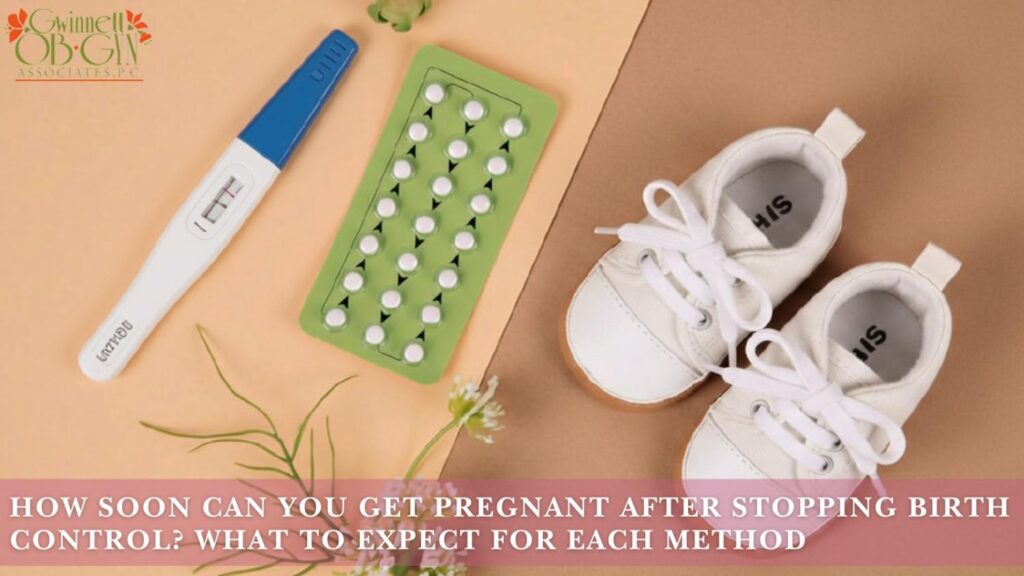
Fertility can return as quickly as your next ovulation cycle after stopping most forms of birth control, though the timeline varies meaningfully depending on the method you have been using. Most people who stop contraception and actively attempt conception do so successfully within 12 months, regardless of which method they were using. The sections below […]
Setting Up Your Nursery on a Budget: A First-Time Mom’s Registry and Must-Have Checklist

A functional, safe nursery for a newborn requires far fewer items than most registry guides suggest. Newborns need safe sleep, diapering supplies, clothing and feeding equipment, and a focused checklist built around those four categories keeps costs manageable without cutting corners on safety. The nursery industry markets heavily to first-time parents, and the gap between […]
What Happens at Your First OB Appointment: A Step-by-Step Guide for First-Time and Teen Moms
At your first OB appointment, your provider confirms your pregnancy and estimated due date, reviews your comprehensive medical history, performs routine baseline blood work and outlines your ongoing prenatal care schedule. This visit is the longest of your pregnancy, typically lasting 45 to 90 minutes, and sets the foundation for every appointment that follows. Knowing […]
Is Sex Safe During Pregnancy? What First-Time Moms Need to Know
Sex during pregnancy is safe for most women throughout all three trimesters. The baby remains fully protected by the amniotic sac, the surrounding uterine muscles and the mucus plug that seals the cervical opening from the earliest weeks through delivery. Sexual activity does not reach the baby and does not disrupt any of those protective […]
What to Pack in Your Hospital Bag as a First-Time Mom

Packing your hospital bag by 35 to 36 weeks gestation ensures you are ready whether labor begins on schedule or a few weeks earlier than expected. The most practical approach is a three-bag system: one bag for labor and delivery, one for postpartum recovery and one for your baby. Keeping the contents of each bag […]
Faint Line on Your Pregnancy Test: What It Actually Means

A faint line on a pregnancy test almost always means the test has detected hCG, the hormone your body produces after a fertilized egg implants in the uterine lining. The line on a home pregnancy test darkens in proportion to hCG concentration in your urine. A faint line means hCG is present, but the level […]
What to Do When Your Water Breaks: Your OB Step-by-Step

When your water breaks, the amniotic sac surrounding your baby ruptures and releases the fluid that has cushioned and protected your baby throughout pregnancy. The experience looks different for every woman. Some feel a sudden, unmistakable gush; others notice a slow continuous trickle that does not stop on its own. Both are normal presentations, and […]
How Many OB Appointments Will You Have Throughout Your Pregnancy?
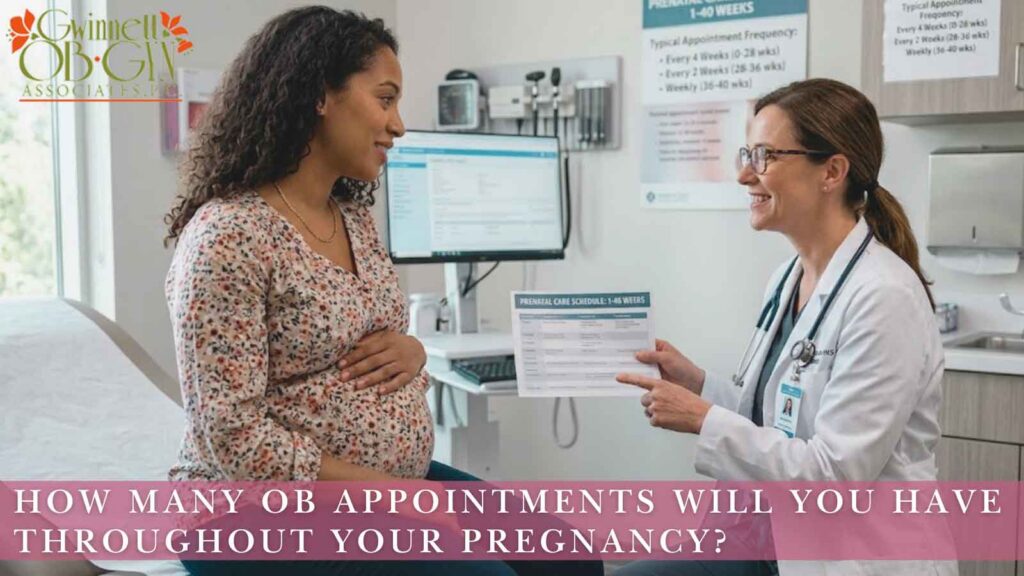
Most uncomplicated pregnancies require between 10 and 15 prenatal appointments in total, with visits spaced every four weeks in early pregnancy and becoming more frequent as the due date approaches. The schedule follows a predictable three-phase pattern: one visit every four weeks through 28 weeks, one visit every two weeks from 28 to 36 weeks […]