
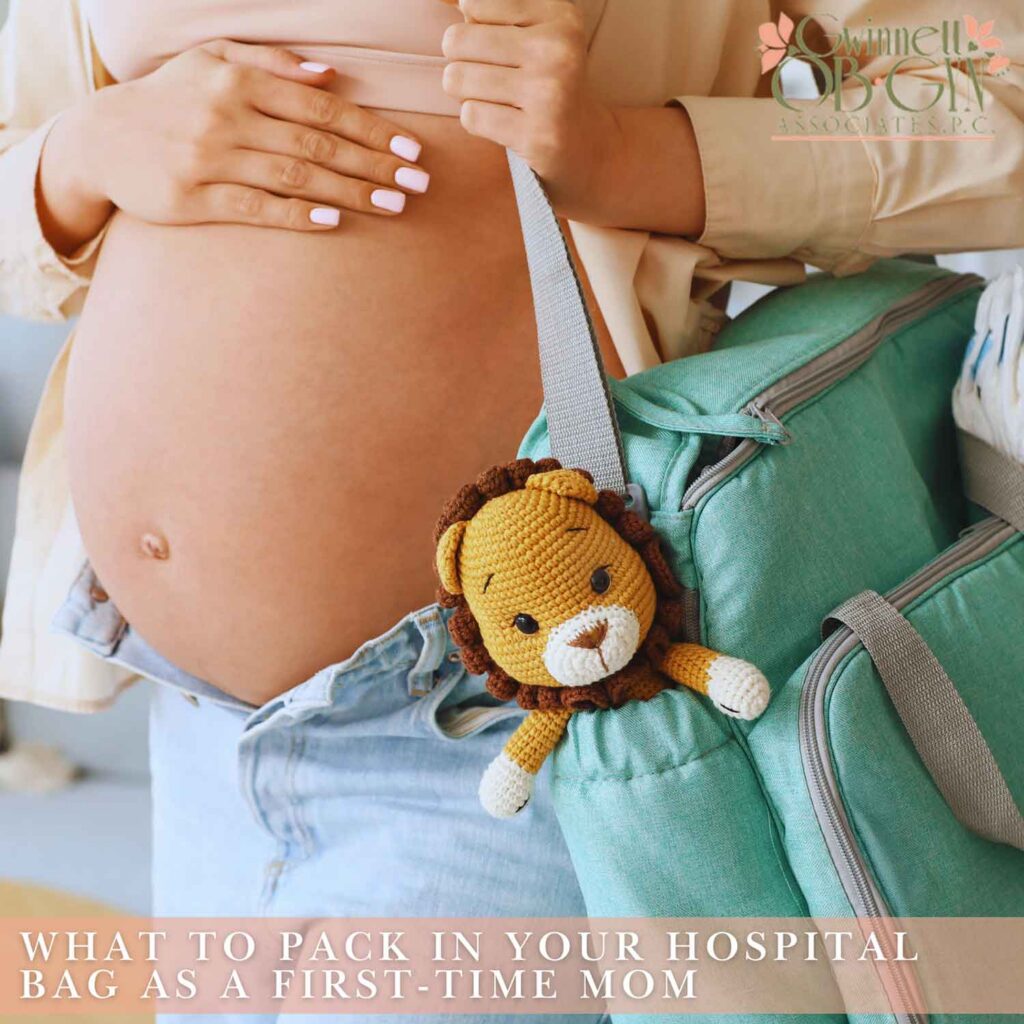
Packing your hospital bag by 35 to 36 weeks gestation ensures you are ready whether labor begins on schedule or a few weeks earlier than expected. The most practical approach is a three-bag system: one bag for labor and delivery, one for postpartum recovery and one for your baby. Keeping the contents of each bag distinct means your support person can locate exactly what you need without searching through everything at once. Your obstetrics team will discuss delivery preparation during your third-trimester appointments, but having your bags packed and your car seat installed before those final weeks takes one major task off your list well in advance.
When Should You Start Packing Your Hospital Bag?
Pack your hospital bag by 35 to 36 weeks gestation. Most full-term labors begin between 37 and 40 weeks, so having your bags ready by 35 weeks gives you a comfortable buffer. Women with a high-risk pregnancy or a history of preterm labor may want to pack earlier, closer to 32 to 34 weeks, based on their physician’s guidance. The high-risk pregnancy page covers the conditions that may affect your delivery timeline and what closer monitoring looks like in the third trimester.
Two tasks pair well with packing: pre-registering with the hospital before 36 weeks and having the infant car seat base installed in the vehicle. Pre-registration reduces paperwork on admission day. Car seat installation before 36 weeks ensures the seat is ready and properly secured well before labor begins, since hospital policy requires a properly installed seat before discharge. For a full look at what your third-trimester appointment schedule covers and when to expect each visit, this overview of how many OB appointments you will have during pregnancy walks through the full prenatal visit timeline.
How Should You Organize Your Hospital Bag?
The three-bag system keeps your hospital bag contents organized and accessible from the moment you arrive at the hospital through the day of discharge.
- Labor bag: Items needed in the delivery room during active labor; keep this bag most accessible and bring it directly into the delivery room
- Postpartum bag: Items for the recovery room after delivery; this bag can stay with your support person or in the car until you are moved to the postpartum room
- Baby bag: Newborn going-home essentials; pack this separately so it is easy to hand off to your support person during the newborn prep period
Label each bag clearly on the outside. A printed checklist tucked inside each one helps your support person locate items quickly and ensures nothing gets left behind at discharge.
What to Pack for Labor and Delivery
The labor bag covers two categories: documents your care team needs on arrival and personal comfort items for the delivery room.
Documents:
- Photo ID and insurance card
- Hospital pre-registration confirmation
- Birth plan (print two to three copies for the nursing staff and your support person)
Comfort items:
- Lip balm (breathing through contractions dries lips quickly)
- Hair ties and a headband
- Non-slip grip socks (hospital floors are cold and standard socks slide)
- Eye mask and earplugs for resting between contractions
- Portable phone charger or a 10-foot charging cable
- Portable Bluetooth speaker if music or ambient sound is part of your birth plan
The hospital provides gowns, monitors, IV supplies and pain management options. Your labor bag items supplement what is already in the delivery room with personal comforts that make the environment feel more manageable.
What to Pack for Postpartum Recovery
The postpartum bag covers everything you need for the 24 to 48 hours after delivery for a vaginal birth or 3 to 4 days for a cesarean. This bag stays in the recovery room and covers clothing, toiletries and personal care.
Clothing:
- Front-opening nightgown or robe (supports skin-to-skin contact and nursing access without removing clothing)
- Two nursing bras or soft comfortable bralettes
- A loose, stretchy going-home outfit in maternity sizing; your body does not return to pre-pregnancy measurements at discharge
- Easy slip-on shoes or flip-flops for moving around the maternity ward and showering
Toiletries:
- Toothbrush, toothpaste, deodorant and hairbrush
- Your own towel; hospital towels are functional but thin
- Dry shampoo
- Facial wipes or a simple skincare routine that fits in a small bag
Personal care:
- Soft high-waisted underwear or comfortable adult diapers; many women find these significantly more comfortable than standard postpartum mesh underwear for the first few days
- Nipple cream for breastfeeding initiation; the hospital provides a lactation consultant, but having your own supply on hand from day one is practical
- Your own pillow in a colored pillowcase so it does not get mixed with hospital linen
For women curious about what physical recovery looks like in the weeks after delivery, this overview of what to expect with pregnancy weight gain covers postpartum body changes and what is normal in the weeks that follow.
What to Pack for Your Baby
The baby bag covers going-home essentials for your newborn. The hospital provides diapers, wipes and basic swaddles during your stay, so this bag focuses on what your baby needs for the trip home and the first day after discharge.
- Two going-home outfits in different sizes: newborn and 0–3 months. Newborn sizing runs small and a baby measuring above average at birth may not fit newborn clothes at all
- Socks, mittens to prevent self-scratching and a soft coming-home hat
- A soft swaddle blanket for the car ride home
- An installed infant car seat with the base already secured in the vehicle; hospital policy requires a properly installed car seat before discharge and staff will check the seat before you leave
Optional additions include a milestone card or a small personal item for first photos. The hospital captures newborn photos, but a personalized touch adds something the standard photography does not.
What Should Your Partner or Support Person Bring?
Labor and postpartum stays can last anywhere from 24 hours to several days, and your support person needs their own bag to stay comfortable throughout.
- Food and drinks: Hospital cafeterias have limited overnight hours; pack non-perishable snacks, sports drinks and easy no-refrigeration meals that cover an overnight stretch
- Clothing: Comfortable layers work best since delivery rooms and postpartum rooms are kept cool; pack a hoodie or light jacket, comfortable sleepwear and a change of clothes for the day after delivery
- Sleep comfort: A small pillow in a colored pillowcase so it stays distinct from hospital linen; a light personal blanket adds warmth during overnight hours
- Entertainment and charging: A phone charger, a tablet with downloaded content and headphones cover the quieter stretches during early labor when there is little to do but wait
What Does the Hospital Already Provide?
Knowing what Eastside Medical Center supplies during your stay prevents overpacking and keeps your hospital bags a manageable size. The table below outlines what is provided vs. what is worth bringing from home.
| Category | Provided at the Hospital | Bring From Home |
| Clothing | Hospital gown | Going-home outfit, robe, nursing bra |
| Postpartum care | Mesh underwear, basic pads, ice packs | Soft high-waisted underwear, nipple cream |
| Baby basics | Diapers, wipes, basic swaddle for the stay | Going-home outfit, personalized swaddle |
| Toiletries | Basic soap and shampoo | Your preferred products, own towel |
| Pain management | IV access, epidural, oral medication | Lip balm, non-slip socks, personal comfort items |
| Feeding support | Lactation consultant, formula if needed | Nipple cream, nursing bra |
Packing around what is already provided keeps each bag light and straightforward to carry through the parking lot or from the car to the maternity ward. Knowing labor is close? This guide to signs of pre-labor covers the physical changes that signal delivery is approaching, and this overview of signs of labor walks through when those signs mean it is time to head to the hospital.
Prepare for Delivery With Gwinnett OB/GYN
Gwinnett OB/GYN supports patients through every stage of pregnancy and delivery, with board-certified physicians and nurse practitioners guiding care from the first prenatal visit through postpartum follow-up. All deliveries take place at Eastside Medical Center, located adjacent to the practice, with an on-call obstetrician attending each birth. With over 45 years of experience in women’s healthcare, Gwinnett OB/GYN prepares patients for labor well before the third trimester so that when the day arrives, the only thing left to do is head to the hospital with your bags already packed.
Call us to speak with our office or request an appointment online. Visit the obstetrics page to learn more about labor and delivery support at Gwinnett OB/GYN.
Frequently Asked Questions
How many bags should I bring to the hospital?
Three bags is the most practical approach: one for labor and delivery, one for postpartum recovery and one for your baby. Keeping each bag designated for a specific phase means your support person can hand you exactly what you need without searching through everything at once. Keep the labor bag most accessible on the way in.
Can I bring my own food to the hospital during labor?
Most hospitals allow light snacks during early labor, but policies vary and active labor typically limits eating. Your support person should pack their own food supply since hospital cafeteria hours are limited overnight. Confirm the specific food policy with your care team at one of your third-trimester appointments so you know what to expect before you arrive.
What should I wear during labor and delivery?
The hospital provides a gown for the delivery room. Many women also bring their own front-opening nightgown or robe for the postpartum recovery period since hospital gowns are functional but not particularly comfortable for the 24 to 48 hours that follow delivery. Non-slip grip socks are one of the most consistently recommended labor items since hospital floors are cold and standard socks slide.
Do I need to bring a car seat to the hospital?
Yes. An installed infant car seat is legally required before hospital discharge. The base must be properly secured in the vehicle before you arrive at the hospital, not after delivery. Hospital staff check car seat installation before clearing you for departure, so having it installed well before your due date removes one task from an already full day.
Is it okay to pack a birth plan in my hospital bag?
Yes, and printing multiple copies is recommended. Include one for the nursing staff, one for your support person and one for your own reference. A birth plan helps your care team understand your preferences for labor management, pain relief and immediate postpartum care. Keep it concise, one page where possible, so the key details are easy to read quickly during a busy delivery shift.