

Yes, light bleeding after a Pap smear is a common experience for many women and typically signals nothing more than a normal response to cervical screening. Understanding what causes this spotting, when it’s expected, and which symptoms require medical attention can help you approach your next Pap test with confidence. This guide explains everything you need to know about post-Pap smear bleeding and how to maintain your cervical health.
What Light Bleeding After a Pap Smear Really Means
Light bleeding after a Pap smear refers to minimal spotting that occurs as a direct result of cell collection from your cervix during routine screening. This type of bleeding is typically pink or light red in color, requires only a panty liner, and resolves within one to two days without treatment.
The spotting indicates that your cervix’s surface was gently scraped during the exam to collect cells for laboratory analysis, not that anything went wrong during the procedure. Most women who experience this bleeding find it stops quickly and causes no lasting discomfort or health concerns.
The Mechanics Behind Post-Pap Spotting
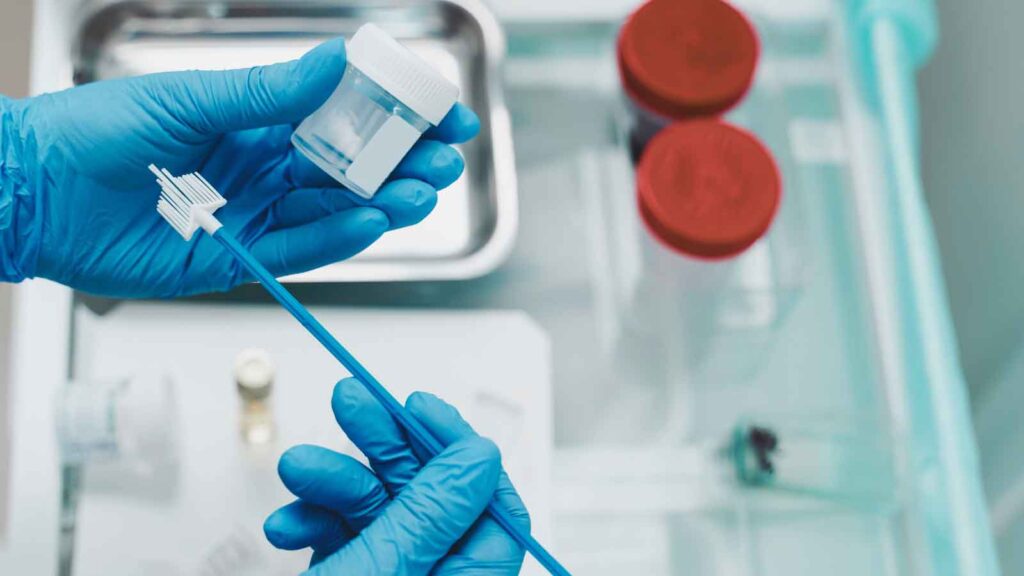
During a Pap smear procedure, your healthcare provider uses a small brush or spatula to gently collect cells directly from the surface of your cervix. This screening checks for abnormal changes that could indicate cervical cancer or precancerous conditions. The collection process involves careful scraping of the cervical surface to gather enough cells for laboratory analysis.
This mechanical process is what causes light bleeding. The spotting you see afterward is your body’s natural response to cell collection, not a sign that something went wrong during the exam. The Pap smear procedure is designed to be as gentle as possible while still obtaining an adequate sample for accurate results.
Why Some Women Experience More Bleeding Than Others
Individual anatomy plays a significant role in post-PAP test bleeding. The cervix contains blood vessels positioned at varying depths beneath the surface, and women whose vessels sit closer to the surface are more prone to minor bleeding after examinations or intercourse. Some women have more sensitive cervical tissue by nature, which makes spotting more likely after any cervical contact.
After your pelvic exam, blood naturally surges to your cervix and reproductive organs as part of your body’s normal response. This increased circulation can cause any small scratch or irritated area to bleed slightly more than it might otherwise. The bleeding should still be minimal and short-lived, regardless of this temporary increase in blood flow to the region.
Common Factors That Increase Post-Pap Bleeding
Several conditions, life stages, and anatomical variations can make your cervix more sensitive during screening and increase the likelihood of light bleeding after a Pap smear. These factors don’t indicate you should avoid testing, but rather help explain why some women experience more spotting than others. Understanding what makes bleeding more common enables you to anticipate your body’s response and communicate effectively with your OBGYN.
Pregnancy Changes Blood Flow to Your Cervix
Pregnancy significantly increases blood circulation throughout your pelvic region and causes your cervix to develop additional blood vessels to support the growing baby. These changes make cervical tissue more sensitive to any examination or contact during routine Pap testing. If you’re pregnant and notice light bleeding after your Pap smear, this is typically a normal response to increased vascular sensitivity rather than a cause for alarm.
It’s important to know that a Pap smear test will not cause miscarriage. These screenings are safe during pregnancy and remain an essential part of prenatal care for monitoring cervical health throughout all trimesters. However, if your bleeding is heavier than light spotting or lasts more than a day, mention it to your OBGYN to ensure everything is progressing normally with both your health and your baby’s development.
How Hormones Influence Cervical Sensitivity
Hormonal fluctuations affect how your cervical tissue responds to examination during Pap tests. Birth control pills and other hormonal contraceptives increase hormone levels that can heighten cervical sensitivity, making light bleeding more common after screenings. Women taking these medications may notice they’re more prone to spotting after exams or intercourse compared to periods when they weren’t using hormonal contraception.
Menopause and perimenopause bring different hormonal challenges that affect Pap testing experiences. Declining estrogen levels cause thinning of cervical and vaginal tissue, reduced natural lubrication, and decreased elasticity. These changes make the tissue more fragile and susceptible to minor bleeding during examination, even when your healthcare provider uses the gentlest possible technique during the Pap smear procedure.
Benign Cervical Conditions That Increase Bleeding Risk
Certain harmless conditions can make your cervix bleed more easily during and after Pap smears:
- Cervical polyps are small, benign growths on the cervix that have a rich blood supply and bleed easily when touched during an exam. Most polyps are noncancerous but can cause spotting after Pap tests or sexual activity.
- Cervical ectropion occurs when delicate cells inside the cervical canal appear on the outer surface. These cells are naturally more fragile than the cells that typically line the outer cervix and bleed more readily when scraped during Pap testing.
- A friable cervix refers to tissue that bleeds unusually easily with even slight touch or friction. This increased fragility can occur during hormonal changes, pregnancy, menopause, or other conditions that affect tissue integrity.
Infections and Inflammation Affect Cervical Tissue
Cervical infections or inflammation make the tissue more tender and increase the likelihood of bleeding during your Pap smear procedure. Bacterial vaginosis, yeast infections, or sexually transmitted infections can inflame the cervix and cause blood vessels to become more reactive when touched by screening instruments. If you’re experiencing unusual discharge, odor, itching, or discomfort along with post-Pap test bleeding, these additional symptoms may indicate an infection that needs treatment.
Addressing any underlying infection not only improves your comfort but also ensures more accurate Pap smear results at your next screening. Your OBGYN can perform additional testing to identify any infections and prescribe appropriate treatment to restore cervical health before your next scheduled screening appointment.
ALSO READ: Pap Smears: How Frequent Should You Get Them and Why
Understanding What’s Normal After Your Pap Smear
Distinguishing between expected post-exam spotting and symptoms that warrant professional evaluation helps you respond appropriately to what your body is experiencing. Normal bleeding follows a predictable pattern and resolves quickly, while certain warning signs indicate you should contact your OBGYN for guidance. Knowing these differences prevents unnecessary worry while ensuring you don’t overlook symptoms that deserve medical attention.
What Normal Post-Pap Bleeding Looks Like
Normal bleeding after a pap smear test has distinct characteristics that set it apart from other types of bleeding:
- Light pink or light red spotting on your underwear or toilet paper
- Minimal blood volume that doesn’t require more than a panty liner
- Duration lasting only a few hours to a maximum of one or two days
- Gradual decrease in the amount of blood over time
- Little to no cramping, or only mild discomfort similar to light period cramps
If your bleeding fits this pattern, you can feel reassured that your body is responding normally to the screening process. This type of spotting typically requires no treatment and usually resolves completely within 48 hours, often without any intervention.
Symptoms to Discuss With Your OBGYN
Contact your OBGYN if you experience any of these concerning symptoms after your pap test:
- Heavy bleeding that requires a pad or tampon to manage
- Bright red bleeding that continues beyond two days
- Blood clots appearing in the discharge
- Severe cramping or pelvic pain that doesn’t resolve with over-the-counter pain relief
- Fever, chills, or feeling generally unwell
- Foul-smelling, green, or yellow vaginal discharge
- Bleeding that stops but then starts again after a day or two
These symptoms could indicate an infection, cervical polyps, or another condition that needs prompt evaluation and treatment. When in doubt, it’s always advisable to consult your healthcare provider for guidance rather than waiting to see if symptoms resolve on their own.
ALSO READ: Annual Well-Woman Exam: What’s Included and Why It Matters
Steps to Take When You Experience Post-Pap Bleeding
If you notice bleeding after your pap smear that follows the typical pattern described above (light, pink spotting that decreases over one to two days), you can simply monitor it at home. However, if you’re experiencing any bleeding, a few practical steps help you track your symptoms and support your body’s natural healing process while determining whether professional guidance is necessary.
Monitor and Track Your Symptoms
Place a panty liner or pad in your underwear immediately after your exam to catch any bleeding and help you gauge the amount. Note the type of bleeding you’re experiencing, including color intensity, volume, and how long it continues. This information becomes valuable if you need to discuss your symptoms with your healthcare provider later during a follow-up call or visit.
Keeping track of the bleeding’s progression helps you identify patterns in how it’s resolving. You’ll be able to recognize quickly if the spotting is decreasing as expected or becoming heavier or more prolonged than the normal range for post-pap smear procedure bleeding.
Give Your Cervix Time to Heal
Avoid using tampons for 24 to 48 hours after your Pap smear if you’re experiencing any bleeding. Tampons can irritate the already sensitive cervical tissue and potentially introduce bacteria to an area that has minor abrasions following cell collection. Pads and panty liners offer adequate protection without disrupting the healing process or increasing the risk of infection.
Similarly, postpone sexual intercourse for two to three days after your exam if you notice spotting. Additional contact along with the cervix can restart bleeding that had stopped or make existing bleeding heavier than before. This brief waiting period allows the tissue to recover fully, reducing the risk of discomfort or complications during the healing process.
Know When to Reach Out for Guidance
If your bleeding becomes heavier, lasts beyond two days, or you develop any of the warning signs listed earlier, contact your OBGYN promptly rather than waiting to see if symptoms improve. Your medical team would rather address your concerns and provide reassurance than have you worry unnecessarily between appointments.
Trust your instincts about your body. If something feels wrong or different beyond your usual experience, that intuition is valuable information worth sharing along with your provider during a phone consultation or office visit.
Answering Common Questions About Pap Smear Bleeding
Many women have specific concerns about what post-PAP test bleeding might mean for their health or their screening results. Addressing these questions directly can ease anxiety and help you understand what to expect during future cervical cancer screenings. Clear answers to common concerns also help you make informed decisions about your reproductive health care.
Does Bleeding Affect My Pap Smear Results?
The bleeding you experience after your Pap smear is unrelated to your test results. The spotting is simply a physical response to the cell collection process and doesn’t influence how the laboratory evaluates your cervical cells during analysis. Your results will reflect the actual health of your cervical tissue, not any minor bleeding that occurred after the examination concluded.
In fact, your cervical cells have already been collected and preserved before any post-exam bleeding begins. The sample quality remains completely unaffected by subsequent spotting, ensuring your Pap test provides accurate information about your cervical health status.
Can I Get Tested If I’m Already Bleeding?
Having your period or experiencing other vaginal bleeding doesn’t necessarily prevent an accurate Pap smear test. Heavy menstrual flow may make it more difficult for the laboratory to evaluate the sample clearly, but light bleeding doesn’t automatically disqualify you during screening. Schedule your Pap testing appointment for a time when you won’t be menstruating to ensure the most precise possible results.
However, if light bleeding occurs during your exam, don’t worry about compromising accuracy. Your healthcare provider collected the sample before the bleeding started, which shouldn’t affect the reliability of your screening results or require rescheduling a repeat Pap smear procedure.
Should I Skip Pap Smears If I Always Experience Bleeding?
Absolutely not. Regular Pap tests are essential for detecting cervical changes early when they’re most treatable, and this benefit far outweighs the temporary inconvenience of minor bleeding. If you consistently experience spotting after Pap testing, mention this pattern to your OBGYN before your next exam so they can note it in your medical history.
Your provider may be able to adjust their technique or take extra care during the Pap smear procedure. Still, the screening itself remains critically important for protecting your long-term health. Some women are more prone to cervical sensitivity, and that’s completely normal. It doesn’t mean you should avoid this life-saving screening or delay recommended appointments.
Why Regular Cervical Cancer Screening Remains Essential
Understanding that light bleeding can occur after a Pap smear shouldn’t discourage you from maintaining your recommended screening schedule. The temporary minor discomfort or spotting you might experience is insignificant compared to the protection that early detection provides through consistent Pap testing.
The Life-Saving Value of Early Detection
Regular pap smears have dramatically reduced cervical cancer deaths by detecting abnormal cells before they develop into cancer. When cervical changes are caught early through routine Pap tests, treatment is typically straightforward and highly effective. The American College of Obstetricians and Gynecologists recommends that women begin cervical cancer screening at age 21 and continue at intervals determined by their age, health history, and previous test results.
Cervical cancer is one of the most preventable cancers when screening guidelines are followed consistently. Missing Pap testing appointments because of concerns about minor side effects like spotting puts you at unnecessary risk for developing advanced cervical disease that could have been prevented through early intervention.
What Happens During the Few Minutes of Screening
A Pap smear procedure takes only a few minutes and provides years of reassurance about your cervical health. Your OBGYN will make the process as comfortable as possible, explaining each step and checking in about your comfort level throughout the examination. While some women find the exam slightly uncomfortable, most report that any discomfort is brief and manageable, considering the peace of mind gained.
The information gained during this quick screening is invaluable. It allows your healthcare team to monitor your cervical health over time, detect any changes early, and provide treatment long before serious problems develop into life-threatening conditions.
Expert Cervical Cancer Screening at Gwinnett OB/GYN
Receiving compassionate, expert care during your Pap smear can make all the difference in your screening experience. At Gwinnett OB/GYN, our board-certified physicians and nurse practitioners combine over 45 years of experience along with a genuine commitment to patient comfort and comprehensive women’s healthcare.
Our Snellville practice offers cervical cancer screenings using gentle techniques, taking the time to address any concerns you may have before, during, and after your exam. We understand that Pap tests can feel uncomfortable or cause anxiety for some patients, and we’re here to make the experience as smooth and reassuring as possible. If you have questions about what to expect, concerns about past bleeding after screenings, or would like to understand your cervical health better, we’re ready to listen and provide the guidance you need.
Contact Gwinnett OB/GYN today to schedule your pap smear test or to discuss any questions about cervical cancer screening. Your health deserves expert attention delivered along with genuine care and understanding.